


Chemicals are everywhere—prime example: H2O. In truth, everything from common table salt to essential nutrients in foods are made up of chemicals. It’s not necessary, or even possible, to live a fully chemical-free life. Same goes for the everyday chemicals you interact with in the kitchen, cleaning products, and other everyday household items.
Some are naturally occurring like baking soda and vinegar (though even vinegar can be made artificially), while many other compounds go through a manufacturing process to improve performance, durability, stain resistance, and more. While most household products are considered safe when used as directed and in typical amounts, researchers are studying how repeated, low-level exposure to certain environmental chemicals may affect long-term health.
Let’s dive into where chemicals may be found and what we actually know about them, so you can feel empowered to make the choices that best fit your lifestyle.
In your kitchen

1. Nonstick cookware
What it is
Cookware that’s made with coatings to help prevent food from sticking to the surface for easy cooking and clean-up.
Chemicals researchers are studying
- PFAS (polyfluoroalkyl substances) are often present in non-stick cookware (as well as a variety of other household products), often called “forever chemicals” because they are slow to break down.
- PTFE (polytetrafluoroethylene) is a specific nonstick coating which causes particular concern because one of the chemicals used in PTFE coatings was PFOA (a type of PFAS), which has been phased out. Today, PTFE cookware is made without PFOA.
What to know
Nonstick coatings break down under high heat and may be ingested when scratched and flaked off into food during the cooking process.
According to the Environmental Protection Agency (EPA), here are many compounds like PFAS in our environment and some may come with bigger risks than others. People are exposed to these in various amounts in different times of their life, and so it’s difficult to quantify how these may affect you.
Researchers are currently studying potential reproductive harms, developmental delays in children, cancer risk, hormone changes, and weight gain effects. The biggest risk depends on the amount and duration of exposure. For example, anyone who is heavily exposed to PFAS, such as workers in a chemical manufacturing plant, or firefighters, are at the highest risk, says the CDC.
Related: How heavy metals can cause issues in the body
How to reduce exposure
One simple way to reduce exposure is to replace scratched or damaged nonstick cookware because—why eat flaked-off nonstick coating if you can avoid it? Even if you’re not in a high-risk group, it may be worth swapping out older nonstick cookware for uncoated options such as stainless steel, cast iron, glass, and enamel, recommends one article in the journal Explore. Remember that even modern nonstick pans (like ceramic-coated cookware) vary by manufacturer, so be sure to research the product first before buying.

2. Plastic food containers & other kitchen plastics
What it is
Plastic food containers that are convenient for storing, transporting, and reheating food. Plastics are common in the kitchen, also showing up in cutting boards and food/drink.
Chemicals researchers are studying
- Phthalates: A group of chemicals that enhance plastic flexibility
- Bisphenols: Another group of chemicals containing bisphenol A (BPA)—perhaps the most well-known—that help give plastic its structure. BPA substitutes may have their own health issues and may even be more potent than BPA itself.
- Microplastics: Tiny pieces of plastic that may end up in food, especially when plastic is exposed to heat or repeated use. There may be concerns with the particles themselves, as well as the chemicals that escape them.
What to know
These containers may release microplastics, or tiny particles of plastic that you can’t see or taste, into your food where you then ingest them. (There are similar concerns with other plastic household products, such as cutting boards and tea bags.)
The U.S. Food & Drug Administration (FDA) says that BPA and microplastics appear safe at current levels of exposure from foods. The FDA also notes that there isn’t enough evidence to determine how much microplastic exposure comes from food and beverages. Though, that doesn’t mean they’re safe either. Researchers continue to have concerns about these compounds, including an early potential link to colon cancer, as well as hormone disruption that can promote chronic diseases like diabetes.
How to reduce exposure
Don’t microwave plastic food containers, and avoid putting hot food in plastic when possible. Be wary of containers marked with recycling codes 3 or 7, which can indicate certain types of potentially harmful plastic. When reheating leftovers, transfer them from restaurant containers into a nonplastic container first. You can also choose glass, porcelain, or stainless steel containers for storing and reheating food.

3. Candles, wax melts & air fresheners
What they are
Products designed to fragrance indoor spaces, cover unpleasant odors, and add ambiance, such as scented candles, wax melts, plug-ins, reed diffusers, aerosol air fresheners, hanging car air fresheners, and incense.
Chemicals researchers are studying
- Volatile organic compounds (VOCs), carbon-based chemicals that can easily evaporate into the air at room temperature.
- Fragrance compounds, including terpenes (natural fragrances derived from things like plants).
- Particulate matter, which is a mixture of solid particles and liquid droplets that are in the air, such as dust and smoke, as well as particles that are too small to see.
What to know
Experts at the EPA are concerned that some fragrances can exacerbate asthma issues in sensitive people. Fragranced products like candles and incense increase indoor VOCs, potentially degrading indoor air quality, though it’s unclear how that broadly translates to health effects.
In addition, wax melts may not be associated with a flame like a candle, but they have been found to release nanoparticles into indoor environments. Although the health effects of breathing in these particles from wax melts hasn’t been determined, what’s clear is that they may not be a healthier alternative to candles.
Overall, it’s important to keep exposure in mind which is the big, overarching lesson here. Burning a candle on occasion to set the mood is different than regularly using multiple fragranced products throughout your home and car.
How to reduce exposure
Improve indoor ventilation by opening a window when burning a candle. Use high-quality candles that don’t use dyes or paraffin, and trim the wick before using. Use fragranced home products sparingly and with intention.

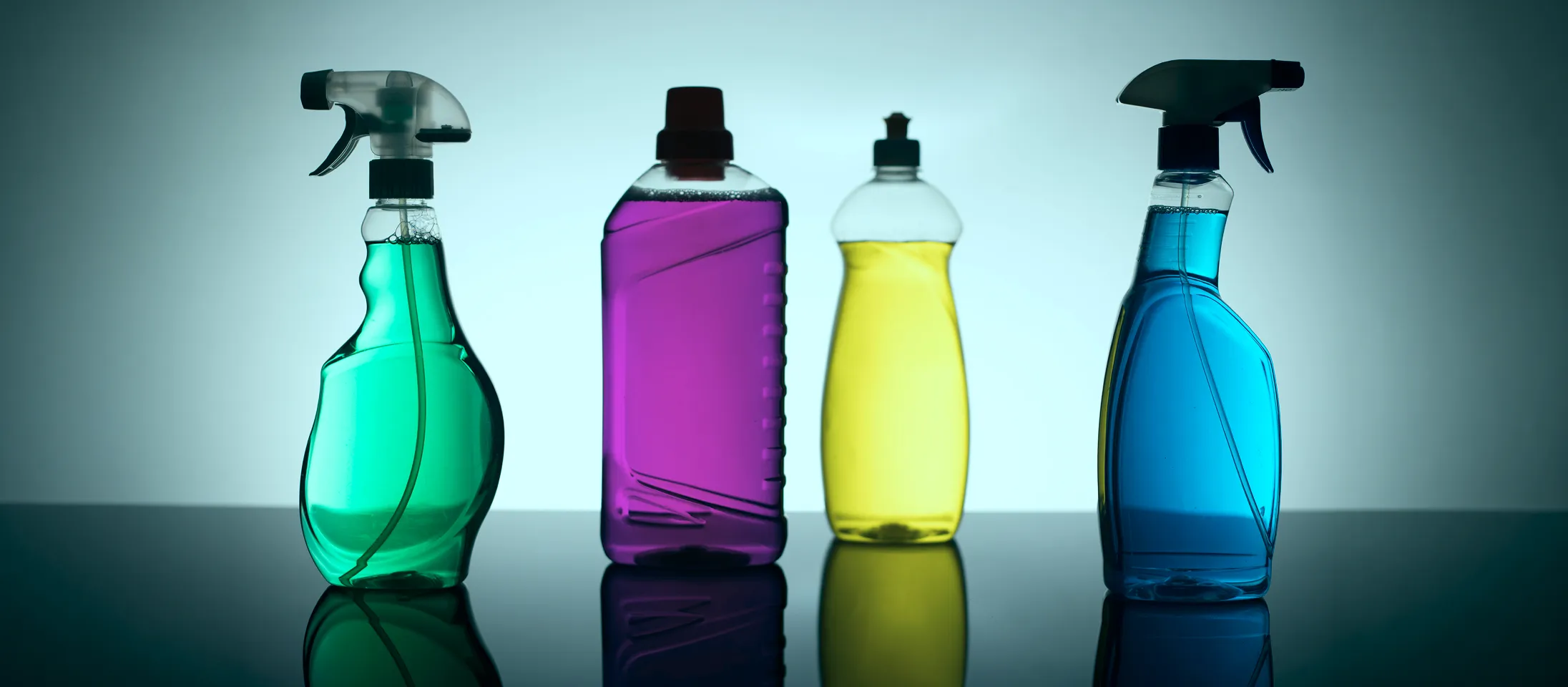
4. Household cleaning products
What they are
These products clean and disinfect household surfaces, such as all-purpose cleaners, disinfectant sprays, bleach, and bathroom and glass cleaners.
Chemicals researchers are studying
- VOCs, which can be released from cleaning supplies
- Chlorine bleach
- Ammonia
- Quaternary ammonium compounds (QUATS/QACs), a common disinfectant
What to know
Cleaning and disinfecting surfaces serves a critical purpose in preventing the spread of viruses or bacteria in your home. But we can go too far with it. Most of the time, water, soap, and a little elbow grease (scrubbing) is all you need, says the CDC. If someone in your home is sick or immunocompromised, using a disinfectant may make sense for added protection.
Cleaning products may release VOCs, which can compromise indoor air quality, affecting your ability to breathe and causing allergic reactions, headaches, and possibly triggering asthma, according to the American Lung Association.
What’s more, bleach can be dangerous to clean with if not diluted; mixing bleach with another cleaning product (especially ammonia) can cause harmful fumes. QUATS/QACs, which are released from disinfectants, may also contribute to airway inflammation. Someone exposed to these products every day for work, for example, may face greater potential risks than someone using them occasionally at home.
How to reduce exposure
For a list of products that work and are safer for your health, use the EPA’s Safer Choice program to identify all-purpose cleaners, dish soaps, bathroom cleaners, floor cleaners, and more. Always make sure you’re following the directions and open up the windows as you clean, if possible. Finally, use soap and water most often, with disinfectants more sparingly when needed. Interested in homemade cleaning solutions? The American Lung Association offers up “Safer Cleaning Recipes.”

5. Furniture, carpets, household textiles, and furniture
What they are
All the soft items in your house—pillows, mattresses, upholstered furniture, carpets and rugs—are often treated to be flame retardant, resistant stains, and more. Likewise, furniture made from wood products may also release certain chemicals into the air.
Chemicals researchers are studying
- PFAS
- Flame retardants, used in a mattress or padded seat to slow the spread of fire
- Formaldehyde, a smelly, colorless gas
What to know
You know that “new” blanket, mattress, or furniture smell? It’s not exactly great, and it also may be a sign of “off-gassing.”
PFAS commonly transfer into indoor dust and, notably, may be linked to cancer. Flame retardants are used in furnishings and can leach into the air, float around on dust, and fall into food and water. There’s concern that these may be endocrine-, thyroid-, immune system-, and reproductive-disrupting, with risks being bigger in children whose bodies and brains are still developing. Formaldehyde is often present in engineered wood (like particleboard or decorative paneling) due to the adhesives used in those products. This can cause irritation in your eyes and throat, trigger asthma attacks, and may be linked to cancer, according to the EPA.
While no imaging test can determine whether you’ve been exposed to PFAS, flame retardants, or formaldehyde, researchers continue studying how these chemicals may affect organs, including the liver, brain, cardiovascular system, and other tissues. Understanding your baseline health and monitoring changes over time may help support conversations with your healthcare provider, especially in light of conflicting information, unknowns, and the knowledge that environmental risks are a part of modern life.
How to reduce exposure
Wash new blankets and sheets before using them. Air out new furniture and mattresses outdoors or in a well-ventilated room, if possible. Vacuum regularly and dust surfaces to remove household dust. When purchasing new furnishings, consider those that hold third-party certifications like OEKO-TEX Standard 100, a label for textiles that passed safety tests and does not contain harmful substances or are labeled PFAS-free.
Garage & yard

6. Pesticides and weed killers
What they are
Products used to improve the appearance of your yard, control weeds, insects, fungi, rodents, and other outdoor pests at home.
Chemicals researchers are studying
- Herbicides, which kill unwanted plants and weeds
- Insecticides, used to control or kill insects and pests
- Fungicides, which help eliminate the growth of fungi, mold, and mildew
What to know
These products are designed to kill living organisms, and you can get these products in your body by inhaling and absorbing them. If they are on your food, such as tomatoes from your backyard garden, you can also ingest them. One review concluded that associations were found between chronic pesticide exposure and cancer, neurological disorders, and hormone disruption. Risks are specific to the ingredient you’re using, concentration, dose, and frequency of use, which is why the biggest threat is in occupational exposure where exposure is prolonged and at a high dose.
Most people will only be exposed to small amounts of one of these products, which is generally too small to pose a long-term risk, per the EPA. Still, follow product directions because getting these chemicals into your eyes or on your skin can cause irritation.
How to reduce exposure
Wear protective clothing/gear when needed (such as a face mask, goggles, or gloves), follow label directions carefully, wash your hands after handling these products and change your clothes. Keep them in a safe place away from children and pets, as they can be a poison risk.
If you’re struggling with your lawn, consider whether it’s worth the time, resources, and money it requires. One option is to replace some or all of it with low-maintenance native plants suited to your climate, which generally require less water, fertilizer, and pest control.
Bonus: One product you probably touch every day
7. Thermal paper receipts
What it is
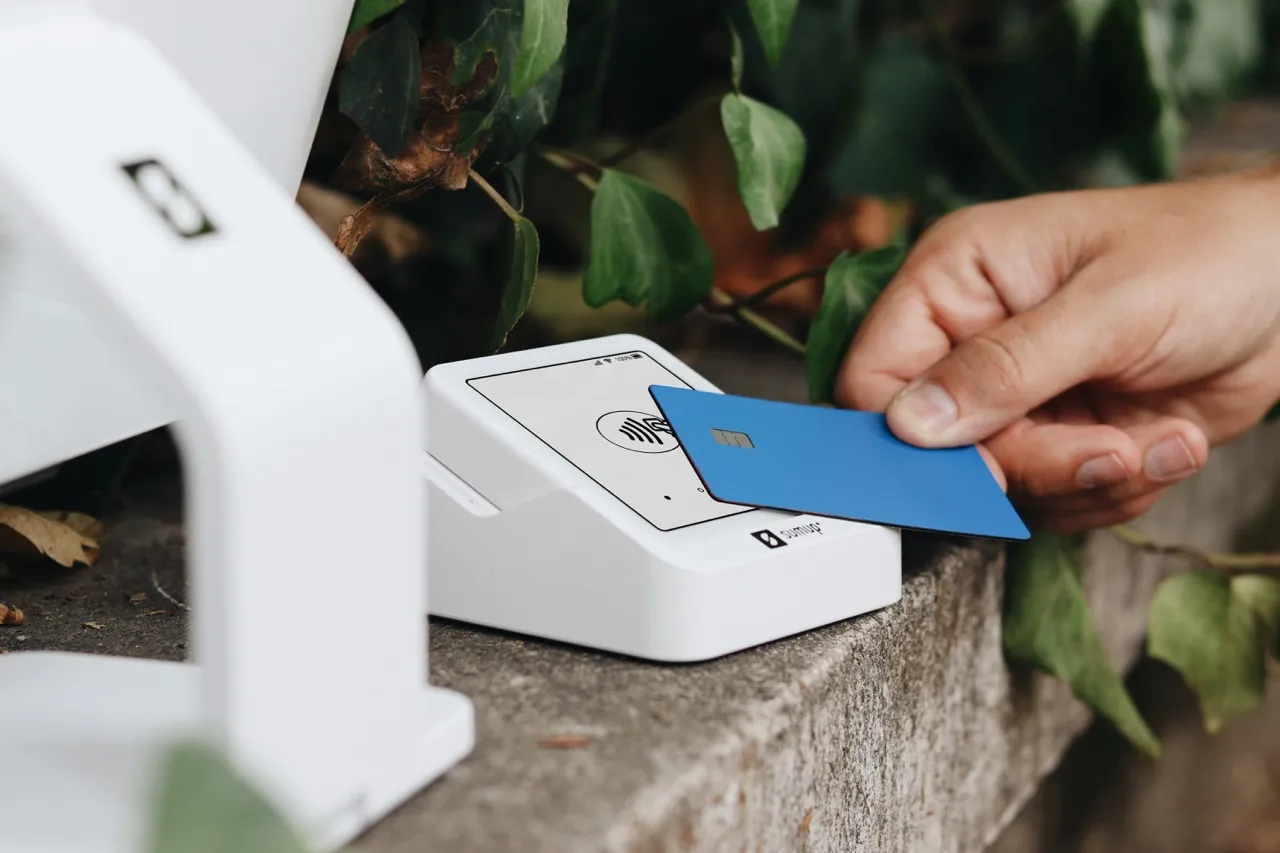
The everyday receipts you often receive from retail stores, restaurants, and other businesses. Unlike standard paper, thermal paper is coated with a layer of chemicals that reacts to heat, allowing text and images to appear without using traditional ink.
Chemicals researchers are studying
- BPA, the chemical that was originally used on paper receipts
- BPS, bisphenol S, the chemical that has been used as a replacement for BPA
- Non-bisphenol alternatives
What to know
BPA has largely been phased out of use on thermal receipts due to concerns around hormonal and reproductive disruption and how quickly it can be absorbed through skin and thus have access to the bloodstream. Unfortunately, the widely used alternative, BPS, is still absorbed into skin (though more slowly) and may still carry the same health worries.
In one study testing 571 receipts from 24 states in the US and Washington D.C., 85% contained BPS, 14% contained non-bisphenol alternatives, and just 1% had BPA. National retailers were more likely to use non-bisphenol alternatives—though it’s worth noting that, while these may be “better,” they still may not be totally safe. Only time (and more research) will tell.
How to reduce exposure
Choose the option to get a digital receipt when you can. If you handle receipts, wash your hands before eating. Oh, and don’t substitute hand sanitizer for good old-fashioned handwashing. Research suggests that some hand sanitizers may increase the amount of BPA transferred from thermal receipt paper to the skin, so when possible, avoid applying hand sanitizer immediately before handling receipts.
So, should you replace everything?
Definitely not. It’s easy to obsess over the potential chemicals and effects of everything around you. But as we’ve learned, some of the biggest factors influencing risk are exposure level and frequency. And for many of these compounds, researchers are still studying what potential health effects they may have and what level of exposure may lead to them. So take a balanced approach and make reasonable choices that can help reduce your exposure without flipping your life upside down.
That might mean buying new glass containers for leftovers and getting rid of plastic ones, or saying yes to digital receipts. It could mean continuing to enjoy a candle on a cozy, rainy night while using fragranced products more intentionally. You may not be in the market for a new mattress right now, but when the time comes, you can look at your options and choose one that helps limit your exposure to chemicals of concern.
What this means for your health
Reducing unnecessary exposure is an important first step, but it’s only one part of taking a proactive approach to your health. Your body doesn’t operate as a collection of isolated parts, which is why taking a broader, whole body approach can be useful as you think about your health over time, even as questions about environmental exposures remain.
For example, blood work can provide information about markers of overall health and organ function, while imaging offers another view by looking at the structure of organs and tissues. Keeping tabs on your heart, brain, liver, kidneys, and other organs can help build a more detailed picture of what’s happening across your body. Together, data from screenings like a Whole Body Scan and regular check ups with your healthcare provider can help establish a baseline and make it easier to help identify changes over time.
Related: What happens when you combine whole body MRI and blood work?
To learn more about the benefits of whole body MRI, blood labs, or a Prenuvo Membership, book a call with our Patient Services Team.